Omega-3 fatty acids are widely used in daily wellness routines because they support several systems at once. The two marine omega-3s that receive the most attention are EPA and DHA, found naturally in fatty fish and fish oil supplements.
For people who do not eat oily fish regularly, an omega-3 supplement can be a convenient way to increase EPA and DHA intake. The key is choosing a formula that fits your routine and using it alongside a balanced diet.
EPA and DHA: The Omega-3s to Look For
Omega-3 is a family of fatty acids. ALA is found mainly in plant foods, while EPA and DHA are found primarily in fish and seafood. The body converts only limited amounts of ALA into EPA and DHA. The NIH Office of Dietary Supplements omega-3 fact sheet explains why getting EPA and DHA directly from foods or supplements can be useful when dietary intake is low.
When comparing fish oil products, do not look only at the total fish oil amount. Check the label for total omega-3 and, when listed, the amounts of EPA and DHA.
Why Omega-3 Is Popular for Heart Health
Heart health is one of the main reasons people add omega-3 to their routine. EPA and DHA are involved in normal cardiovascular function, and omega-3 intake has been studied extensively for its effects on blood lipids and heart health.
The American Heart Association recommends eating fish, especially fatty fish, twice a week as part of a heart-healthy eating pattern. A supplement can be a convenient option for people who find it difficult to include fish regularly, or want to increase their intake of EPA and DHA.
DHA and Everyday Brain Support
DHA is an important structural component of cell membranes and is especially concentrated in the brain and retina. This is why DHA is commonly associated with brain and nervous-system support.
An omega-3 supplement should not be expected to instantly improve memory or concentration. Its value is better understood as nutritional support that helps provide fatty acids used in normal cell structure and function.
What About Omega-3 and Joint Health?
EPA and DHA also take part in pathways involved in the body's inflammatory response, which is why fish oil is often included in joint-wellness routines. Research has shown benefits in some inflammatory joint conditions, although results vary.
The Arthritis Foundation's omega-3 overview notes that fish oil has been studied particularly in inflammatory arthritis. For general users, omega-3 is supportive nutrition rather than a treatment for joint pain or a replacement for medical care.
Who May Find Omega-3 Convenient?
Omega-3 supplements can be practical for adults who prefer a measured capsule or softgel format as part of a consistent wellness routine.
- People who eat little salmon, sardines, mackerel, anchovies, or other fatty fish.
- Adults building a daily heart and general wellness routine.
- Active people looking for nutritional support alongside training and recovery habits.
- People who prefer a convenient fish oil format instead of relying on fish intake every day.
Food should remain the foundation. Optitect Health also discusses fatty fish in its guide to nutrient-dense foods for active lifestyles, while the Optitect Health product range provides options for building a broader wellness routine.
Choosing an Optitect Health Omega-3
Optitect Health currently offers two fish oil options for different supplement preferences.
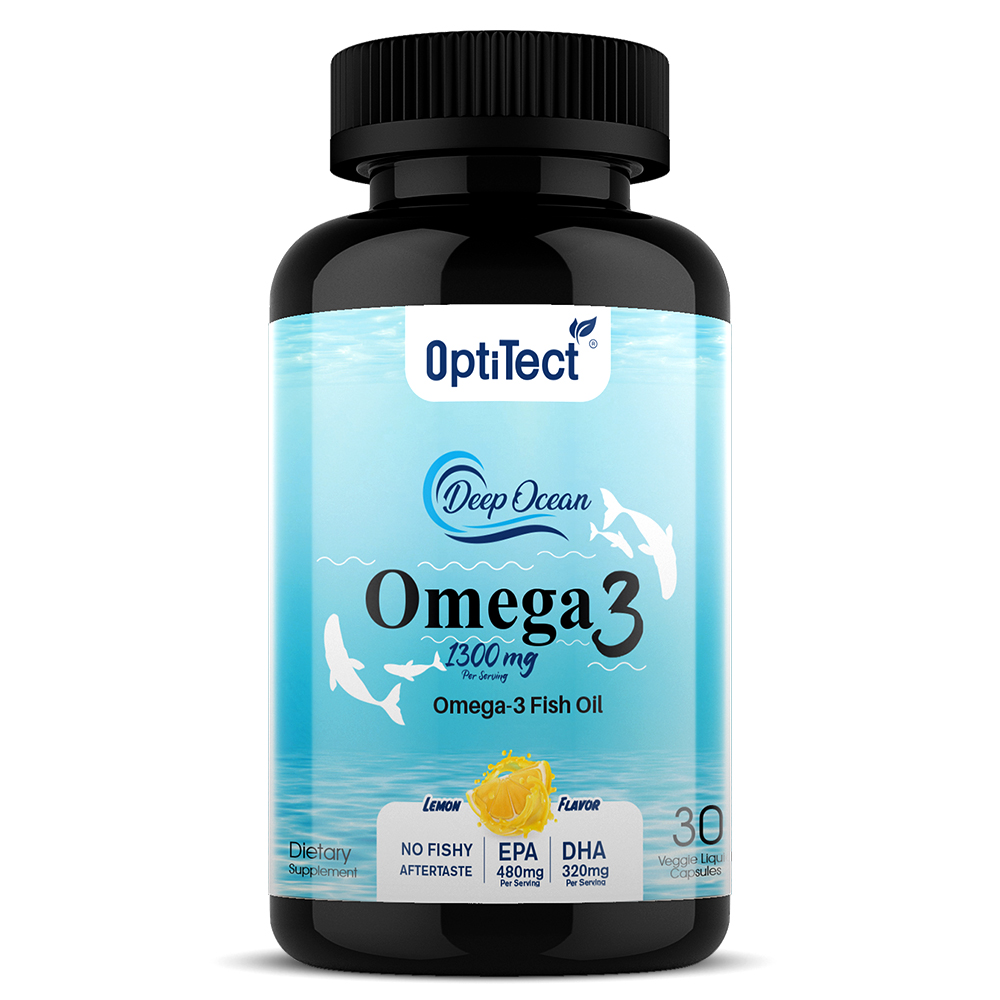
Optitect Omega 3 Fish Oil provides 1300 mg of omega-3 per serving in a 30-capsule format. The fish oil is sourced from anchovies and provides EPA and DHA for an everyday heart, brain, and general wellness routine.
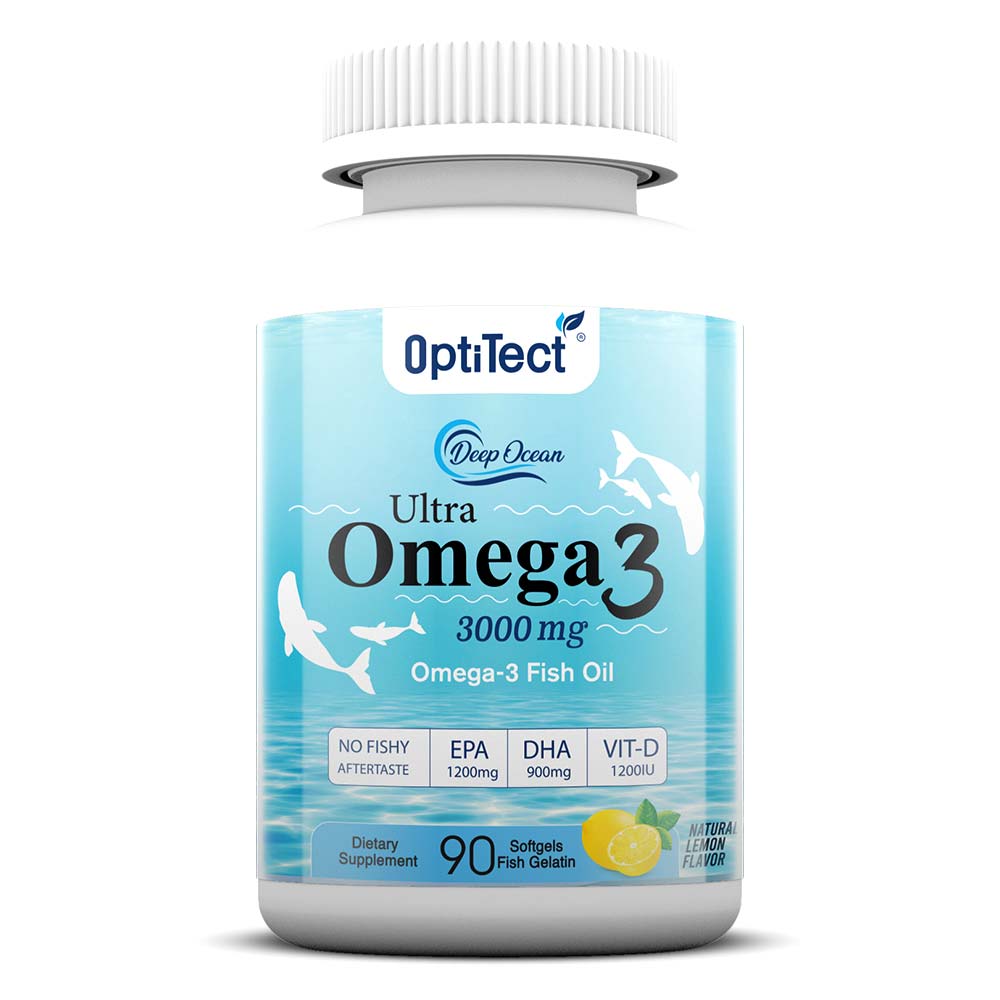
Optitect Ultra Omega3 comes in a 3000 mg format with 90 softgels and combines omega-3 fatty acids with vitamin D3. It suits people looking for a larger pack and a formula that brings omega-3 and vitamin D3 together.
When choosing between them, compare serving information, omega-3 content, EPA and DHA details shown on the label, additional nutrients, and the format that fits your daily routine.
How to Get More From Your Omega-3 Routine
Consistency matters more than taking a supplement occasionally. Follow the serving directions on the label and make it part of an established routine, such as taking it with a regular meal.
Frequently Asked Questions
What is the difference between EPA and DHA?
Both are long-chain marine omega-3 fatty acids. EPA is commonly associated with cardiovascular and inflammatory pathways, while DHA is an important structural fat in the brain, retina, and cell membranes.
Is fish oil the same as omega-3?
Not exactly. Fish oil contains omega-3 fatty acids, but the total fish oil amount and actual EPA and DHA content are not always the same. Check the supplement facts carefully.
Can omega-3 support both the heart and brain?
Yes, EPA and DHA participate in normal cardiovascular and cellular functions, while DHA is especially important in brain tissue. Omega-3 should still be essential part of an overall healthy diet and lifestyle.
Is omega-3 useful for joints?
Omega-3 fatty acids are involved in inflammatory pathways and have been studied in joint health, particularly inflammatory conditions. They should not be presented as a treatment for persistent joint symptoms.
Make Omega-3 Part of Your Daily Wellness Routine
EPA and DHA are useful dietary essential fats with established roles in normal body function and strong relevance to heart, brain, and overall wellness.
If you do not eat fatty fish regularly, a convenient fish oil formula can make omega-3 intake more consistent. Compare Optitect Health's omega-3 options, review the label, and choose the format that fits your nutrition goals and daily routine.